China Top 10 Waterproof Bed Sheet Suppliers?

Choosing among China’s top 10 Waterproof Bed Sheet suppliers requires more than comparing prices or factory photographs. A reliable supplier should demonstrate material knowledge, production experience, and consistent quality control. Buyers should examine TPU or PVC coatings, fabric breathability, elastic strength, seam construction, and waterproof testing records. A soft surface is useful, but it means little if liquid reaches the mattress after one washing cycle.

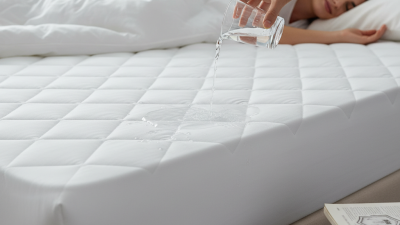
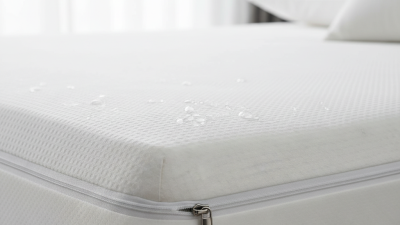
Textile sustainability specialist Professor Richard Blackburn has stated, “Sustainability is not a single attribute; it is a system of choices.” This idea also applies to Waterproof Bed Sheet sourcing. A supplier’s performance depends on material selection, factory processes, packaging, product lifespan, and communication. Ask for physical samples. Pour water across the seams. Stretch the fitted corners. Wash the sample repeatedly, then inspect its backing under bright light. Small details often expose large weaknesses.

This guide introduces ten Chinese suppliers for closer comparison. It considers manufacturing capacity, customization, certifications, minimum order quantities, export experience, and customer support. Some suppliers may excel at hotel orders, while others suit baby products, medical use, or private-label retail. No ranking is perfect. Supplier information can change, and online claims may look stronger than actual production results. That is why independent testing and a written sample agreement remain important. A low quote may hide thin fabric, unstable sizing, or weak after-sales service. Careful sourcing takes more time, but it can prevent costly returns and uncomfortable customer complaints.
China Top 10 Waterproof Bed Sheet Suppliers?

China’s Top 10 Waterproof Bed Sheet Suppliers: Scope and Selection Criteria

China Top 10 Waterproof Bed Sheet Suppliers?

China’s Top 10 Waterproof Bed Sheet Suppliers: Scope and Selection Criteria

A credible top-ten list should assess manufacturers, not merely online sellers. The scope includes factories producing waterproof bed sheets for homes, hotels, hospitals, and care facilities. Selection should examine fabric composition, membrane performance, stitching quality, and wash durability. Practical sourcing experience shows that soft polyester blends often improve comfort, while thicker coatings may increase heat retention. Neither option suits every buyer.

Reliable suppliers should provide material specifications, sample approvals, production photos, and clear quality-control records. Independent testing is valuable for waterproof resistance, shrinkage, colorfastness, and harmful-substance limits. Buyers should also check production capacity, minimum order quantities, lead times, packaging, and communication speed. Documented compliance with destination-market requirements matters. Paperwork alone is not enough.

Tips: Request samples from several shortlisted suppliers. Pour measured water onto each sample, then inspect the underside after thirty minutes. Wash them repeatedly and check seams, odor, noise, and fabric comfort. Ask how rejected units are handled. A supplier may appear excellent during quotation but perform poorly during mass production. That risk deserves attention. No shortlist is perfect. Recheck reviews, factory evidence, and test documents before choosing.

ISO 811 Waterproofness Testing: Hydrostatic Pressure Measured in mmH₂O

China Top 10 Waterproof Bed Sheet Suppliers?
ISO 811 Waterproofness Testing: Hydrostatic Pressure Measured in mmH₂O

When comparing waterproof bed sheet suppliers in China, ask how they verify water resistance. ISO 811 measures the pressure required for water to penetrate fabric. The result appears in mmH₂O, meaning millimetres of water pressure. A higher value generally indicates stronger resistance under laboratory conditions.

During testing, a fabric specimen is secured over water. Pressure rises at a controlled rate until the first droplets appear. The laboratory records that pressure. This detail matters because “waterproof” can describe different performance levels. A supplier should provide the test method, measured value, fabric composition, and tested production lot. Vague certificates deserve questions.

A reliable supplier should also test seams, laminated layers, elastic edges, and finished sheets. The fabric may resist 10,000 mmH₂O, while a stitched corner leaks much earlier. Ask for samples from actual production, not only a promotional swatch. Check whether washing, detergent, and repeated drying change the coating. Real use is less tidy.

The number is not everything.

In my experience, buyers often compare figures without checking testing speed or specimen preparation. That comparison can mislead. Request an independent laboratory report when possible, and confirm the report matches the supplied material. ISO 811 offers useful evidence, but it does not fully reproduce a child’s movement, mattress pressure, or overnight perspiration. A careful sourcing decision needs both measured data and practical inspection.

TPU, PVC, and PEVA Sheets: GSM, Breathability, and Layer Performance

China Top 10 Waterproof Bed Sheet Suppliers?

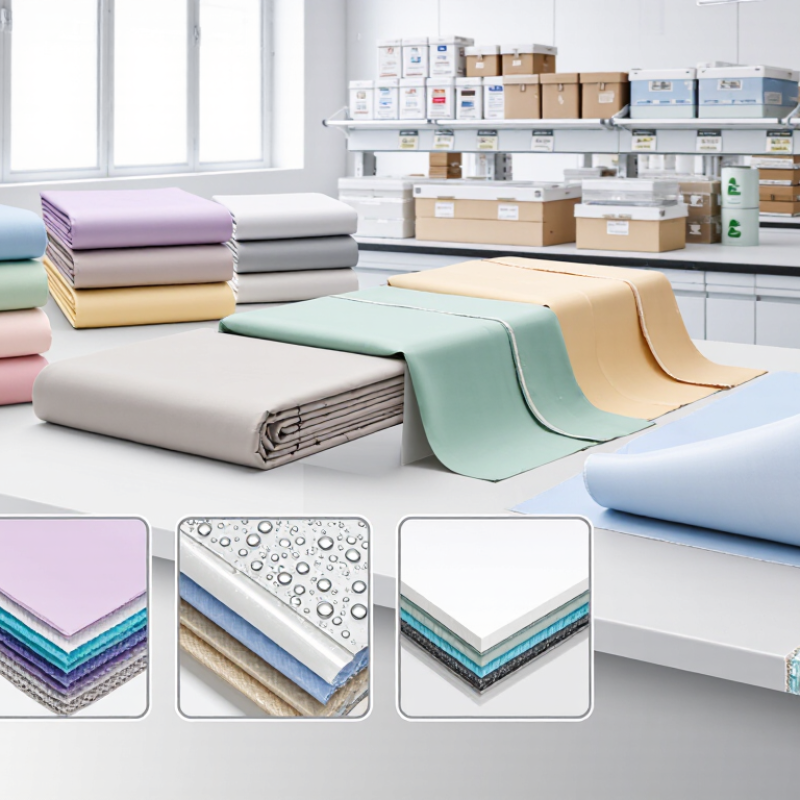
When comparing Chinese waterproof bed sheet suppliers, material structure matters more than catalog photos. TPU sheets usually offer a softer hand, lower noise, and better flexibility. PVC sheets often provide stronger water resistance, but they may feel warmer and less breathable. PEVA sits between them, with a lighter feel and lower odor potential. Each option has trade-offs.

GSM indicates fabric weight, not complete performance. A 100–140 GSM sheet may suit light daily protection. Heavier 160–220 GSM versions can resist repeated washing better. However, excessive weight may reduce airflow. I would not trust GSM alone. Check the waterproof layer thickness, fabric composition, coating uniformity, and edge binding. Breathability depends on the textile surface and membrane design. Cotton-rich tops usually feel cooler than dense polyester surfaces.

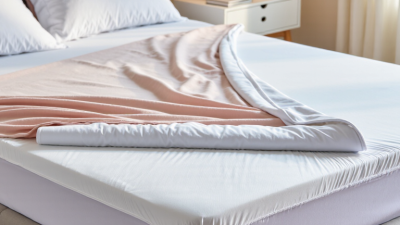
Layer construction deserves close inspection. A knitted or woven top layer can improve comfort, while the middle membrane blocks liquid. The bottom layer should grip the mattress without cracking during movement. Ask suppliers for hydrostatic pressure results, shrinkage data, seam testing, and wash-cycle records. Request production samples, not only laboratory reports. One detail is easy to miss. A sheet can pass a flat-surface test yet leak around elastic corners. During supplier audits, inspect stitching, folding marks, odor, and recovery after washing. Specifications may still vary between batches, so incoming inspection remains necessary.

Supplier Comparison: MOQ, Lead Time, Certifications, and Factory Capacity

China Top 10 Waterproof Bed Sheet Suppliers?

Comparing Chinese waterproof bed sheet suppliers requires more than checking online catalogs. I usually request MOQ, production timing, certificates, and factory evidence in one document. Standard MOQ often ranges from 300 to 1,000 sets. Custom colors, fitted corners, or printed packaging may increase it.

Lead time needs careful checking. Samples commonly require 7–15 days, while bulk orders may take 25–45 days after approval. Ask whether fabric sourcing is included in this schedule. A supplier with in-house cutting and sewing can reduce delays, but capacity claims still need proof. Monthly output may range from 50,000 to 200,000 sets. Request recent production records, machine lists, and shift information.

Certificates should match the actual product, not only the company. Useful documents may include OEKO-TEX, REACH testing, ISO 9001, and waterproof performance reports. Check the certificate holder, product material, testing date, and laboratory details. During factory reviews, inspect seam sealing, elastic attachment, fabric inspection, and laundering tests. Ask for hydrostatic pressure results. Paperwork alone is not proof.

I still get this wrong sometimes. A low MOQ can hide weak quality control or unstable material supply. A fast lead time may exclude inspection and packing. Compare at least three factories using identical questions, sample specifications, and delivery terms. Record every answer. Small inconsistencies often reveal larger operational risks.

Buyer Scorecard: AATCC 127, ASTM D737, and Wash-Durability Results

A practical buyer scorecard for the China top 10 waterproof bed sheet suppliers should begin with verified test evidence, not catalog claims. AATCC 127 measures resistance to water pressure, so higher hydrostatic pressure usually indicates stronger waterproof performance. Request the pressure result, test date, fabric construction, and sample identification. A supplier that cannot connect the report to the delivered material deserves a lower score.

ASTM D737 measures air permeability. This matters because a completely sealed sheet may feel hot during sleep. Compare airflow results alongside waterproof ratings, fabric weight, and surface softness. I would also check whether the test used the same finished product, rather than an untreated fabric swatch. Small details matter.

Wash durability needs a fixed protocol. Record washing temperature, detergent type, drying method, and cycle count. Inspect the back coating, seams, corners, and elastic after 10, 30, and 50 washes. Look for pinholes, peeling, odor, shrinkage, and leakage under pressure.

Supplier samples should be tested before and after laundering by an independent laboratory when possible.

In practice, I would score documentation at 30%, AATCC 127 at 25%, ASTM D737 at 15%, and wash durability at 30%.

This weighting is imperfect, because hospital, hotel, and home users need different balances. A low-cost sheet may pass one test yet fail after repeated washing. Ask for production-lot consistency, not just one impressive sample.