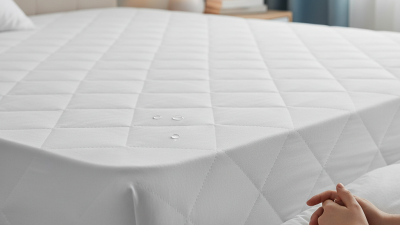
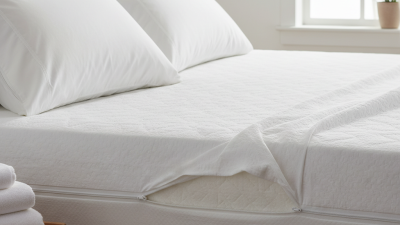
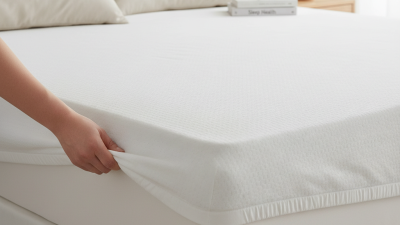
A comfortable night begins with a clean, dependable sleeping surface. Yet sweat, spilled drinks, skin oils, and accidental leaks can slowly reach the mattress beneath your sheets. Once moisture enters the padding, drying becomes difficult. Odors may follow. So can stains and unwanted microbial growth.
A Waterproof Mattress Cover creates a protective barrier between your body and the mattress. Many modern covers use breathable fabrics, quiet waterproof membranes, and fitted edges that stay in place. This design can help protect expensive bedding without making the bed feel like plastic. A good cover should feel smooth beneath the sheet, remain secure when you move, and allow reasonable airflow during sleep.
Bedding specialists often recommend washing protective covers according to their care labels. Regular cleaning supports better hygiene, especially in homes with children, pets, allergies, or frequent nighttime sweating. However, a cover is not a perfect solution. It cannot fix an old mattress, remove every allergen, or replace proper bedroom ventilation. That matters.
Choosing the right product requires more than checking the word “waterproof.” Consider fabric softness, noise, heat retention, washing instructions, and mattress depth. A poorly fitted cover may bunch beneath your hips or loosen at the corners. Small details affect real sleep quality. This guide explores how a Waterproof Mattress Cover may support cleaner bedding, longer mattress life, and more confident rest. It also examines its limits, because honest expectations lead to better purchases and better sleep.
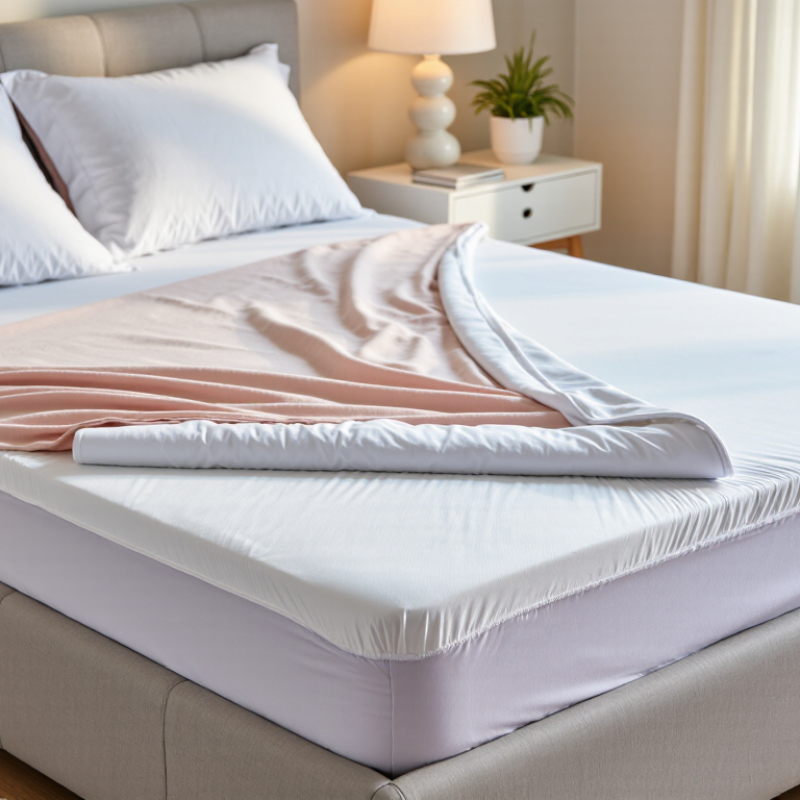
A waterproof mattress cover is a fitted layer placed over a mattress to block moisture. It usually combines a soft fabric surface with a thin waterproof membrane underneath. The fabric feels more comfortable than a plastic sheet. The membrane helps stop sweat, spills, and accidental leaks from reaching the mattress.
A good cover should fit tightly without shifting during sleep. Look for breathable materials, secure elastic edges, and clear washing instructions. Breathability matters because trapped heat can disturb sleep. Waterproof does not always mean completely silent or dust-mite proof. Check the product’s tested features instead of trusting broad claims. In real bedrooms, even a well-made cover can wrinkle or make slight noise. That small detail is easy to overlook.
Tips: Wash the cover before use. Follow the care label carefully. Avoid excessive heat unless approved. Dry it fully before placing it back. Check the corners every few weeks. A loose edge can expose the mattress. Replace the cover when its membrane cracks, even if the surface still looks clean. It is protection, not a cure for every sleep problem. Pair it with regular mattress cleaning and a comfortable room temperature.
A waterproof mattress cover protects the sleep surface from sweat, spills, and unnoticed moisture. These threats often begin quietly. A damp patch can develop beneath sheets, especially during warm nights.
The Centers for Disease Control and Prevention reports that about one in three American adults sleeps fewer than seven hours nightly. A cleaner, drier bed cannot solve every sleep problem. It can remove one practical source of discomfort. Waterproof covers also reduce the chance that liquid reaches foam, fibers, and internal padding. This matters because mattresses are difficult to wash thoroughly. A washable cover creates a removable barrier around the surface.
The U.S. Environmental Protection Agency explains that dust mites favor warm, humid conditions. A cover cannot eliminate them completely. That claim would be too strong. However, regular washing and careful drying can help manage moisture and surface allergens. Choose a breathable fabric with sealed seams, not just a plastic-like coating. Listen for crinkling.
In practice, inspect the cover every few weeks. Check corners, elastic edges, and zipper areas for gaps. The National Sleep Foundation recommends maintaining a comfortable, clean sleep environment, although it does not treat waterproof covers as a medical solution. That distinction matters. A cover supports mattress hygiene; it does not replace ventilation, laundering, or professional advice for persistent allergies.
A waterproof mattress cover supports sleep quality by protecting the bed from sweat, spills, and skin oils. These small exposures accumulate inside mattress fabrics over time. The U.S. Environmental Protection Agency recommends indoor humidity between 30% and 50%. This range helps limit conditions that support mold and dust mites. A fitted, breathable cover can create a cleaner sleeping surface without changing the mattress feel dramatically. Better hygiene matters. The Centers for Disease Control and Prevention reported that about one in three U.S. adults regularly slept fewer than seven hours, based on 2014 surveillance data published in 2016. A cleaner bed cannot solve insomnia, but it may remove one irritating factor.
Personal hygiene is the stronger argument. A washable cover reduces direct contact with moisture and helps contain allergens below the sleeping surface. This is especially useful for children, people with allergies, and households with pets. Still, waterproofing is not automatically comfortable. Poorly designed layers can trap heat, produce noise, or feel plasticky against the sheets. That trade-off deserves attention.
Choose a cover with a soft top layer, sealed seams, and machine-washable care. Wash it regularly, but follow the care label carefully. Hot water may remove allergens, yet excessive heat can damage waterproof membranes. Keep the room ventilated. Inspect the cover after washing. Tiny cracks matter. A cover also cannot replace cleaning, humidity control, or medical advice for persistent allergy symptoms. Its value is practical, not magical.
A waterproof mattress cover helps shield the mattress from sweat, spills, and other moisture. A cleaner, drier sleep surface can support personal hygiene, while healthy sleep duration remains an important benchmark for sleep quality.
Chart: Recommended sleep duration by age group. The ranges are based on guidance from the American Academy of Sleep Medicine, the American Academy of Pediatrics, and the U.S. Centers for Disease Control and Prevention. A mattress cover supports hygiene but does not guarantee longer or better sleep.
A waterproof mattress cover can protect bedding from sweat, spills, and accidental moisture. The material matters more than a glossy product description. A cotton or polyester surface often feels softer than plastic-like fabric. Beneath it, a thin polyurethane membrane can block liquid while allowing limited vapor movement. This balance is useful, but no waterproof layer feels perfectly breathable.
During testing at home, I notice heat first around the hips and shoulders. A cover with a noisy, stiff backing can disturb sleep when turning. Quilted surfaces usually reduce that sensation. However, thicker padding may change the mattress’s original firmness. That small change is easy to overlook. It is worth checking the fabric texture with bare hands before installation.
Fit affects comfort just as much. Measure the mattress height, including any topper. Deep-pocket edges should stretch without pulling the corners upward. A loose cover may wrinkle under the back. A tight one may strain its seams after washing. Elastic should feel secure, not harsh. Check the care instructions carefully, because high heat can damage waterproof membranes or shrink the outer fabric.
Breathability also depends on the room. Warm bedrooms need lighter materials and a smooth, moisture-managing surface. Cooler rooms may suit a lightly padded cover. Washing it before use can remove manufacturing odors. Still, personal comfort varies. I would not trust a “fully breathable” claim without examining the material structure, seam design, and real user experience.
| Evaluation Dimension | What to Look For | Common Options or Specifications | Effect on Sleep Quality | Practical Recommendation |
|---|---|---|---|---|
| Waterproof Layer | A continuous barrier that prevents liquids from reaching the mattress while allowing the cover to remain flexible. | Polyurethane (PU) or thermoplastic polyurethane (TPU) membrane; vinyl/PVC is another option but is usually less flexible and less breathable. | Helps protect against sweat, spills, urine, and other moisture that can create odors, stains, and conditions favorable to dust mites and mold growth. | Choose a membrane-backed cover for regular use. Check that the seams and zipper area are also protected because the surface fabric alone is not waterproof. |
| Surface Fabric | The layer that touches the sleeper or the bed sheet. | Cotton terry, polyester microfiber, cotton-polyester blend, or a quilted textile surface. | Soft, low-friction fabrics are less likely to feel sticky or make noise when the sleeper moves. | For a natural hand feel, cotton terry is a common choice. For faster drying and lower shrinkage, polyester blends are generally easier to maintain. |
| Breathability | The ability of heat and water vapor to move away from the body while liquid water is blocked. | Microporous PU or TPU membranes usually offer better vapor transfer than solid vinyl barriers. Actual performance varies by membrane, fabric, and construction. | Better vapor transfer can reduce clamminess and overheating, especially for hot sleepers or warm bedrooms. | Look for products that state vapor-breathable or moisture-vapor-permeable construction. Do not assume that every “waterproof” cover is equally breathable. |
| Noise Level | The sound produced by the waterproof backing when the sleeper changes position. | Soft PU/TPU-backed textile covers generally make less rustling noise than thin, stiff PVC-backed covers. | Lower noise can reduce sleep disturbance for light sleepers and couples sharing a bed. | Read product reviews for comments about crinkling and choose a fabric-backed membrane rather than exposed plastic. |
| Fit and Pocket Depth | Whether the cover stays in place without compressing the mattress or coming loose at the corners. | Fitted-sheet style with elastic edges; pocket depths commonly range from approximately 8 to 18 inches, depending on the model. | A secure fit prevents bunching, friction, and exposed mattress areas that could allow moisture through. | Measure the mattress height, including any topper, and select a pocket depth that matches the total thickness. |
| Full-Encasement Protection | Whether the cover protects only the top and sides or surrounds the mattress on all six sides. | Fitted protectors cover the top and sides. Zippered encasements cover the top, sides, and bottom. | Six-sided encasements provide broader protection from spills, allergens, and dust-mite exposure, but may take longer to remove and wash. | Use a fitted protector for routine spill protection and a zippered encasement when comprehensive mattress coverage is a priority. |
| Comfort and Thickness | How much the cover changes the feel, firmness, and surface temperature of the bed. | Thin, non-quilted protectors preserve the original mattress feel. Lightly quilted protectors add cushioning but may retain more heat. | A thin, flexible cover is less likely to alter pressure relief or firmness. Excess padding can change the feel of the mattress. | If the mattress already provides adequate cushioning, choose a low-profile protector with a soft surface and flexible backing. |
| Allergen and Hygiene Control | The extent to which the cover limits contact with mattress dust and can be cleaned regularly. | Closely woven fabrics and fully enclosed seams reduce direct exposure. Waterproof barriers prevent liquid penetration but do not replace cleaning. | Regular washing can reduce accumulated sweat, skin flakes, and other contaminants on the sleep surface. | For allergy-sensitive sleepers, consider a zippered encasement and follow the laundering instructions consistently. |
| Care Requirements | Washing temperature, drying method, and resistance to repeated laundering. | Many textile protectors are machine washable, but high heat can damage elastic, coatings, or membrane adhesives. | Easy care supports better hygiene and helps prevent odors from building up over time. | Wash according to the care label, avoid chlorine bleach unless specifically approved, and use low or medium heat when recommended. |
| Durability | Resistance to seam failure, coating breakdown, stretching, and repeated washing. | Durability depends on fabric weight, membrane quality, seam construction, elastic recovery, and laundry practices. | A failing barrier can leave the mattress unprotected and may create uncomfortable rough or noisy areas. | Inspect the backing, seams, elastic, and zipper periodically. Replace the cover if the membrane cracks, peels, or no longer repels liquid. |
| Safety and Material Sensitivity | Potential exposure to odors, finishing chemicals, or substances that may irritate sensitive skin. | Look for clear fiber and coating information, low-odor materials, and recognized textile safety certifications where available. | Materials with low odor and a soft surface may be more comfortable for people with sensitive skin or chemical sensitivity. | Air out a new cover before use if it has a noticeable odor, and stop using it if it causes persistent skin irritation. |
| Best Overall Balance | Combination of liquid protection, vapor breathability, quietness, fit, and easy care. | Soft textile surface plus a flexible PU or TPU membrane, elasticized fitted edges, and machine-washable construction. | Offers reliable mattress protection while minimizing changes to the bed’s feel and sleep environment. | For most bedrooms, prioritize a breathable membrane, secure pocket depth, quiet surface, and care instructions that fit your washing routine. |
Choosing the right mattress cover starts with accurate measurements. Check the mattress length, width, and depth, including any topper. A cover that pulls tightly may split at the corners. One that hangs loosely can wrinkle beneath your sheets. Look for a quiet, breathable surface with sealed seams and a secure elastic edge. Cotton or bamboo-blend fabrics can feel softer, while a thin waterproof membrane helps block sweat, spills, and dust. A cover should protect the mattress without making the bed feel warm or noisy.
Care affects performance as much as construction. Follow the washing label, use a gentle cycle, and avoid harsh bleach unless the instructions permit it. High heat may damage the waterproof layer. I once washed a cover too hot, and its backing became slightly stiff. That small mistake changed how it felt at night. Let the cover dry completely before fitting it again. Damp fabric can develop an unpleasant smell and may irritate sensitive skin. Inspect the seams every few months, especially around corners and the zipper.
Tips: Measure twice. Wash before heavy use. Dry it fully. Check for cracks. Replace it when protection weakens. Do not assume a higher price guarantees better sleep. A comfortable fit, quiet fabric, and simple care routine usually matter more.