
Quality Knitted Fabric for Bedding at Competitive Prices - Great Deals Await!
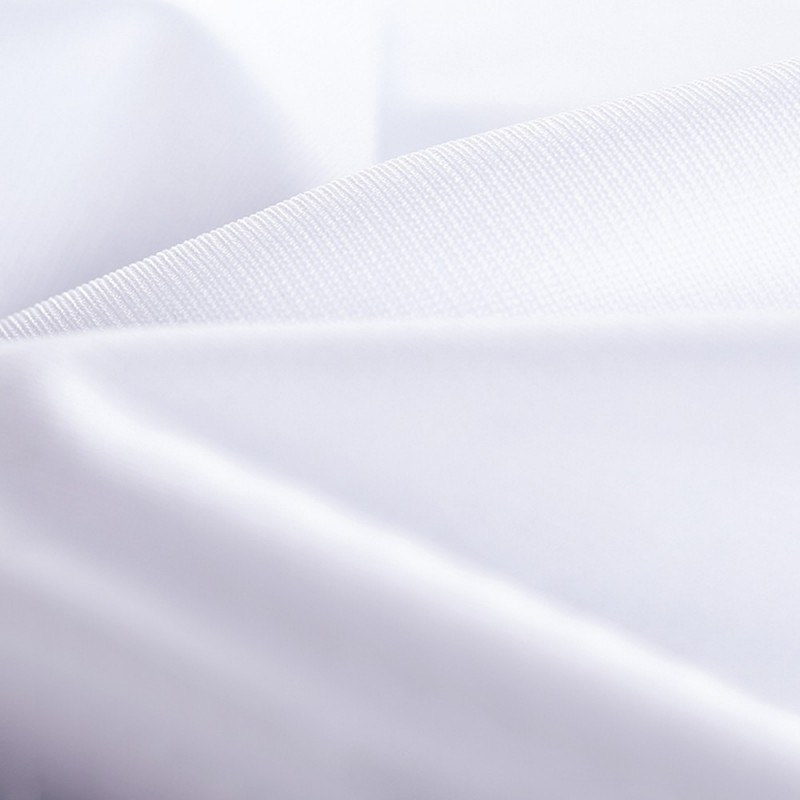
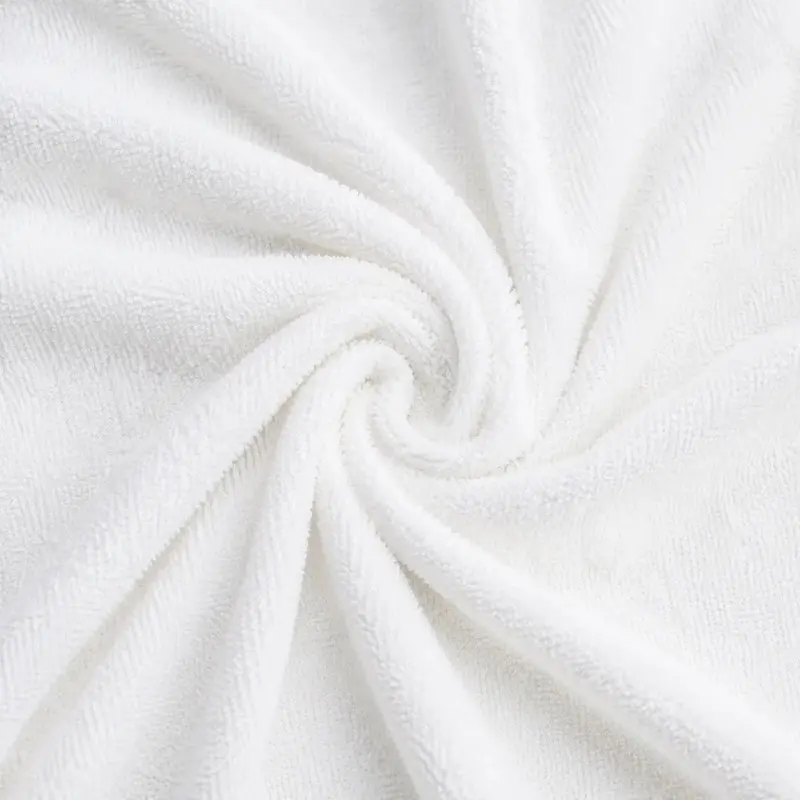
Anhui Meihu New Material Technology Co., Ltd. is a leading manufacturer and supplier of high-quality knitted fabric for bedding in China. Our fabrics are crafted from premium materials, ensuring exceptional durability, softness, and breathability to enhance the sleeping experience. Designed for comfort, our knitted fabric maintains its shape and color through multiple washes, guaranteeing long-lasting performance. With a strong emphasis on product quality and customer satisfaction, our offerings meet industry standards and come in a variety of colors and designs to match diverse preferences. For bedding manufacturers and retailers, our knitted fabric represents the ideal choice for superior bedding materials, backed by our extensive expertise and experience.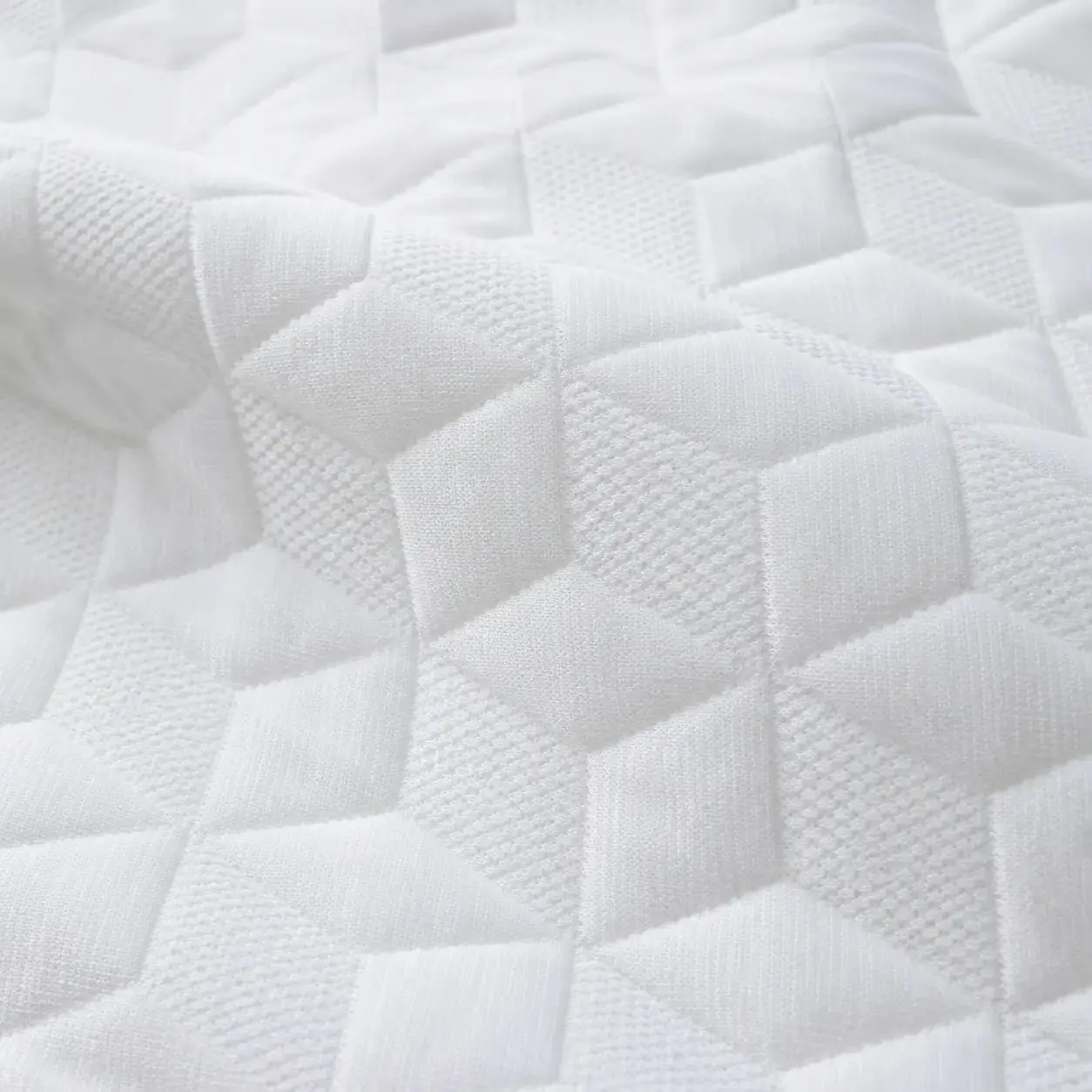
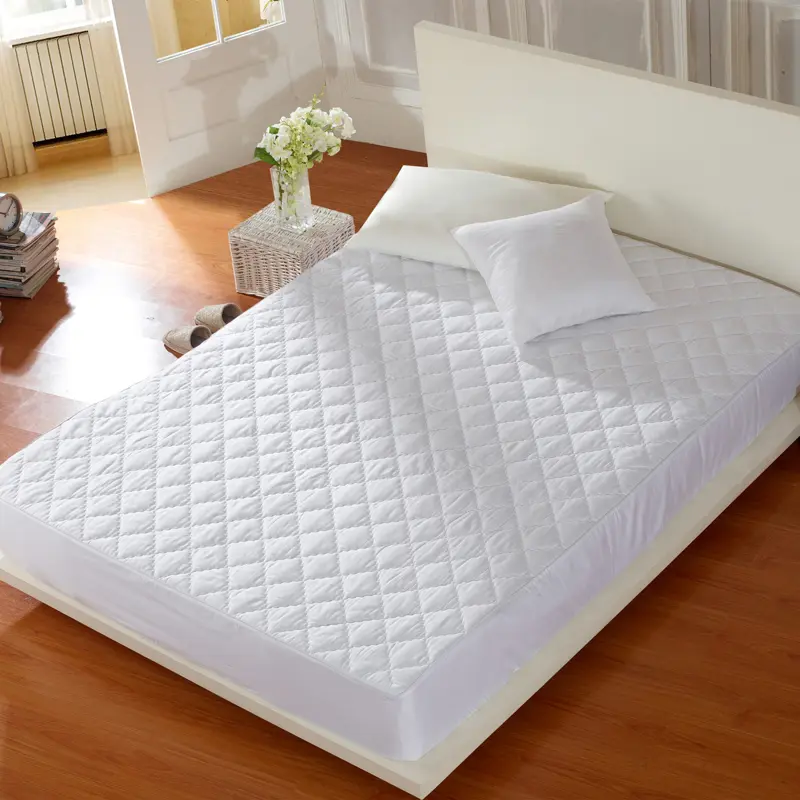
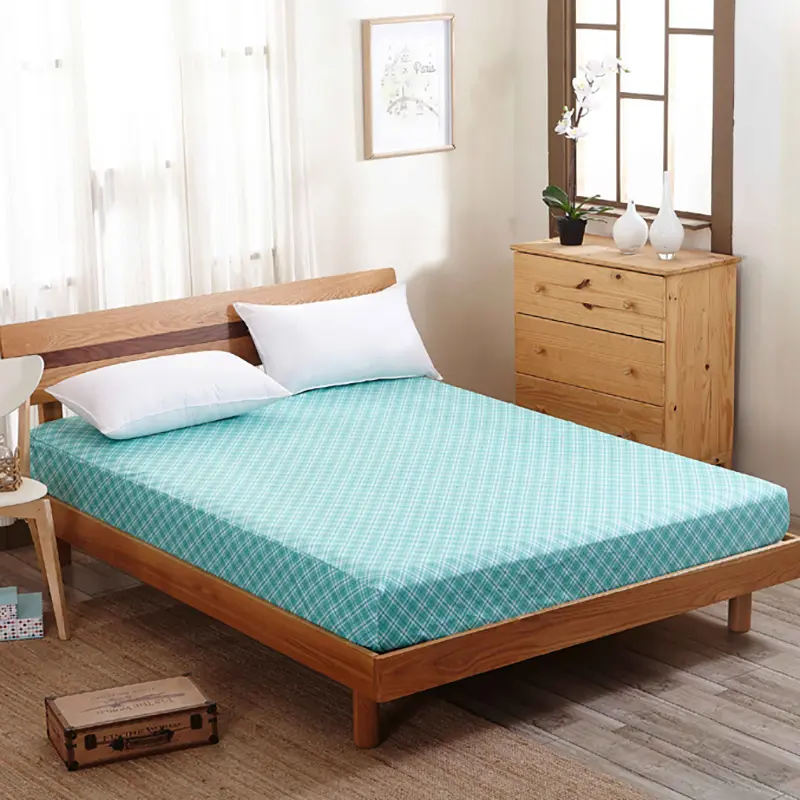
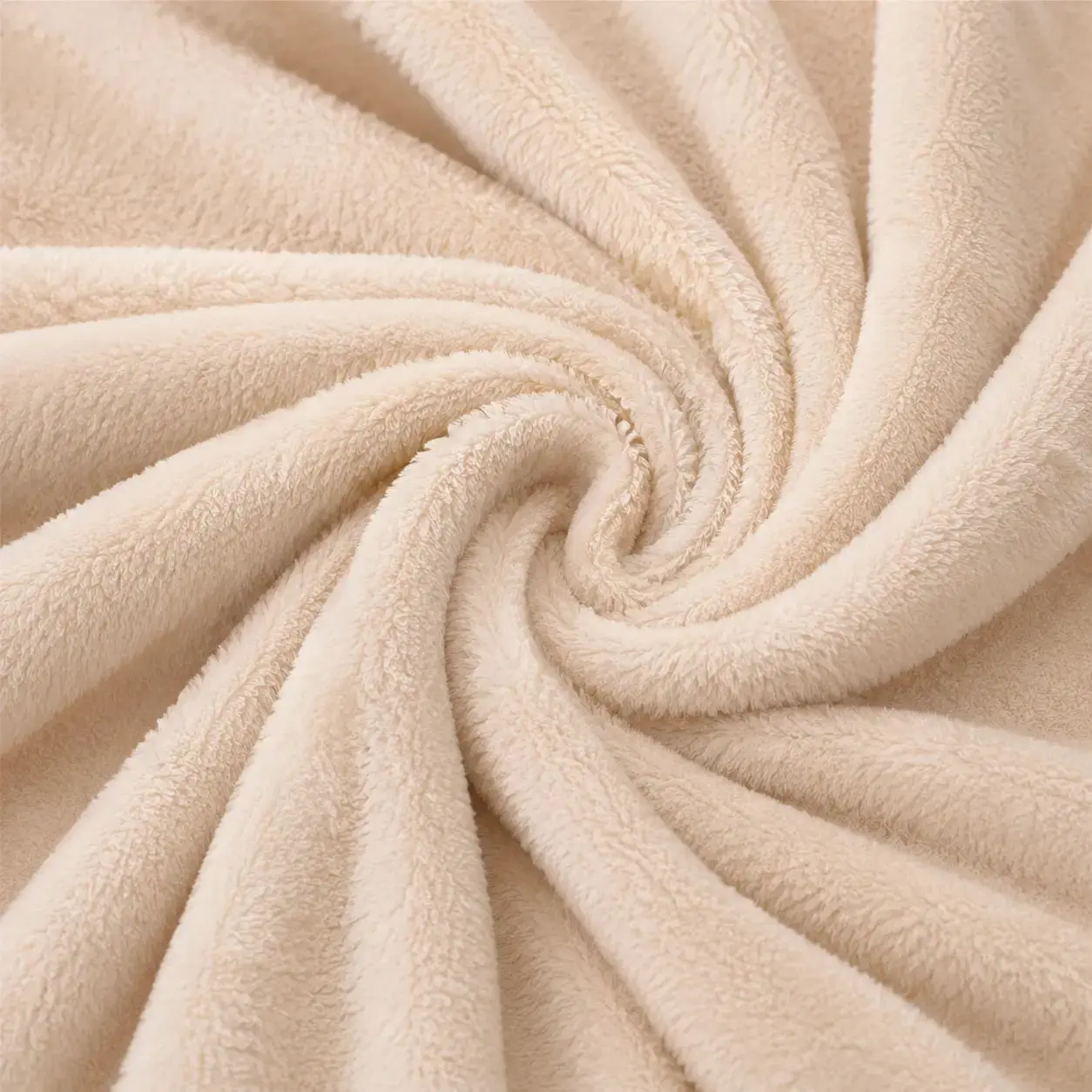
Knitted Fabric For Bedding Winning in 2025 Global Reach
As the global bedding market continues to evolve, knitted fabrics are emerging as a leading choice for manufacturers and consumers alike. Their unique combination of comfort, durability, and versatility positions them to meet the growing demands for both functional and aesthetic qualities in bedding materials. The anticipated trend for 2025 highlights the increasing preference for sustainable and innovative textiles, which knitted fabrics are well-poised to provide. Knitted fabrics are known for their soft texture and stretchability, offering unparalleled comfort that enhances sleep quality. As more consumers become aware of the importance of sleep health, bedding manufacturers are turning to these fabrics to create products that cater to a sophisticated market. In addition to comfort, the advanced technology used in producing knitted fabrics allows for diverse designs and patterns, making them an attractive option for those looking to elevate their bedding collections. Furthermore, the eco-friendly attributes of many knitted fabric options align perfectly with the increasing consumer demand for sustainable products. By selecting these materials, manufacturers can not only meet market demands but also contribute to environmental conservation efforts. As we look to 2025, the global reach of knitted fabrics will undoubtedly redefine the standards for bedding, positioning it as a pivotal segment in the textile industry. Embracing this trend can lead to significant opportunities for businesses eager to expand their market presence and cater to forward-thinking consumers.
Knitted Fabric For Bedding Winning in 2025 Global Reach
| Region | Market Size (Million USD) | Growth Rate (%) | Key Trends |
|---|---|---|---|
| North America | 350 | 5.2 | Sustainability initiatives |
| Europe | 450 | 4.8 | Luxury bedding demand |
| Asia Pacific | 600 | 7.5 | Increasing urbanization |
| Latin America | 150 | 3.1 | Growing middle class |
| Middle East & Africa | 200 | 4.0 | Rising disposable income |
Related Products

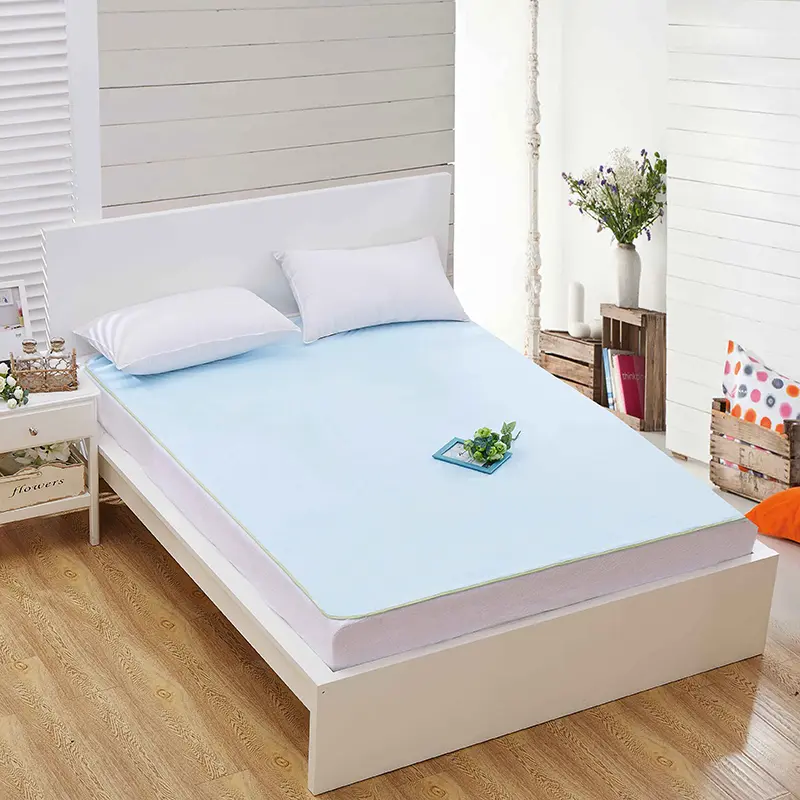
Knitted Fabric For Bedding Industry Leaders Pioneers in the Field
Top Selling Products
- Related Blog
- Reviews
- Reviews


