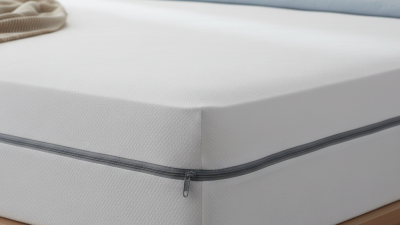
2026 Top Mattress Encasement Types for Global Buyers?
As global buyers seek optimal sleep solutions, understanding the diverse types of mattress encasements becomes crucial. The global mattress encasement market is projected to reach USD 1.6 billion by 2026, according to recent industry reports. This growth emphasizes the increasing awareness of the importance of mattress protection against allergens, dust mites, and bed bugs.
Mattress encasements serve as essential barriers, promoting a healthier sleeping environment. Data highlights that nearly 20% of individuals suffer from allergies linked to dust mites. A well-selected encasement can significantly reduce exposure to these allergens. However, not all encasements are created equal; variations in material and construction can affect their effectiveness.
In a market filled with options, buyers often grapple with making informed choices. Some encasements may lack durability or fail to provide adequate protection over time. Therefore, understanding the materials used and their specific features is critical. Evaluating the quality of mattress encasements remains a challenge yet is necessary for ensuring a restful and healthy night's sleep.
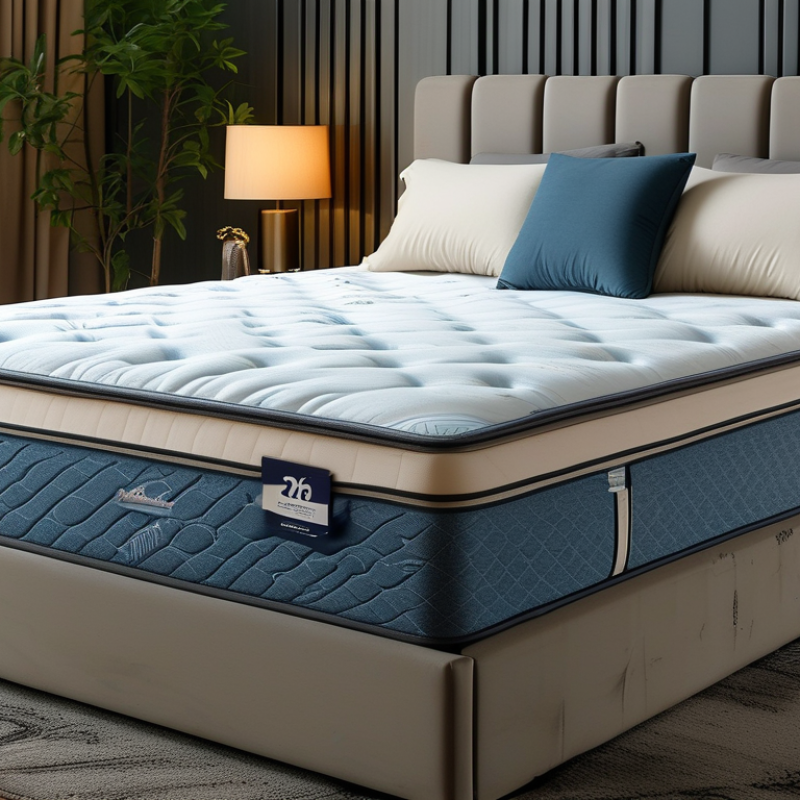
Types of Mattress Encasements: A Comprehensive Guide for Buyers
When choosing a mattress encasement, it's important to consider various options available in the market. Different types cater to distinct needs and preferences. For instance, waterproof encasements protect against spills and moisture, ideal for families with children. These encasements often feature a polyurethane backing, which offers a reliable barrier against liquids. Choosing a breathable option can enhance comfort and prevent heat retention.
Allergy-proof encasements provide extra protection against allergens. They typically use tightly woven fabrics to block dust mites and pet dander. This is crucial for individuals with sensitivities. On the other hand, those needing protection from bed bugs should opt for models specifically designed with secure zippers. Some encasements promise complete protection, but reviews may vary. It's essential to do thorough research before purchasing.
Installation and maintenance details deserve attention as well. Many encasements are machine washable, making cleaning easy. However, the durability of these products can differ significantly. Some may wear out faster than others, so consider this when choosing. Always read customer feedback to gauge long-term satisfaction with a particular type. Finding the right encasement requires patience and careful thought, but it ultimately enhances your sleeping environment.
2026 Top Mattress Encasement Types for Global Buyers
This bar chart illustrates the popularity of different types of mattress encasements among global buyers in 2026. Zippered encasements lead the market, followed by fitted and waterproof encasements, indicating a growing concern for protection against allergens and bed bugs.
Key Features to Consider When Choosing Mattress Encasements
When selecting mattress encasements, several key features demand attention.
Material composition plays a vital role in both comfort and protection. For instance, encasements made from
high-quality polyester or cotton blends offer breathability while preventing moisture buildup. Reports indicate
that breathable materials can reduce the risk of allergens, such as dust mites, by up to 90%.
Size and fit are also crucial considerations. An ill-fitting encasement may leave parts of the mattress exposed,
compromising its protective qualities. It’s important to measure properly. Many encasements have deep pockets to
accommodate thicker mattresses, yet they can often be too loose for standard models. This inconsistency can lead
to slippage, undermining the encasement's intended purpose.
Waterproof features are another vital aspect. Consumers often overlook this, but waterproof
encasements can protect from spills and stains effectively. A study highlighted that approximately
25% of mattress issues stem from liquid damage. This emphasizes
the need for robust waterproof barriers in prolonging mattress lifespan. Ultimately, choosing the right
encasement demands careful consideration of these features.
Materials Used in Mattress Encasements and Their Benefits
When choosing mattress encasements, understanding materials is crucial. Different fabrics offer unique benefits. Polyester, for example, is durable and resistant to allergens. It provides a moisture barrier that protects your mattress from spills. Cotton is natural and breathable, making it suitable for hot sleepers. However, it may not be as stain-resistant as synthetic options.
Membrane materials are another option. They often come with waterproof capabilities. However, some can trap heat, leading to discomfort. Choosing encasements with breathable membranes can help balance protection and airflow. While these materials provide protection, they can sometimes feel bulky. Users often report challenges with zippers and fitting on mattresses.
Despite the advancements in technology, there are still imperfections. Some encasements may lose effectiveness over time. Consumers should regularly check for wear and tear. Evaluating the life span of each material can help in making informed choices. This attention to detail ensures your investment remains effective for years to come.
2026 Top Mattress Encasement Types for Global Buyers
| Encasement Type |
Material Used |
Benefits |
Water Resistance |
Hypoallergenic |
| Zippered Encasement |
Cotton Blend |
Full coverage protection against bed bugs |
Yes |
Yes |
| Fitted Sheet Encasement |
Polyester |
Easy to put on and take off, breathable |
No |
Yes |
| Waterproof Encasement |
Vinyl |
Protects against spills and stains |
Yes |
No |
| Dust Mite Encasement |
Microfiber |
Effective barrier against dust mites |
No |
Yes |
| Eco-Friendly Encasement |
Bamboo Fiber |
Sustainable and biodegradable option |
Yes |
Yes |
Market Trends: Popular Mattress Encasement Options for 2026
In 2026, mattress encasement types are evolving rapidly. Consumers
are increasingly aware of the benefits these protective layers offer. Water-resistant options are gaining traction.
They help keep the mattress dry and free from moisture-related issues.
Dust mite barriers also remain popular, providing a crucial defense for allergy sufferers.
Not all encasements are created equal. Some may lack ventilation, trapping heat and moisture. This can compromise comfort.
Moreover, the fit is essential. A loose encasement might not offer the intended protection.
Many buyers face challenges in selecting the right type for their needs.
Eco-friendly options are on the rise as well. Consumers are more conscious of sustainability.
Recycled materials are becoming a standard feature.
Despite this growing trend, some buyers still prioritize price over environmental impact.
Striking a balance between cost, quality, and ecological responsibility is becoming increasingly complex for global consumers.
Tips for Maintaining and Caring for Your Mattress Encasement
Caring for your mattress encasement is crucial for longevity and effectiveness. Begin by regularly checking for wear and tear. Look for frayed edges or tears. These issues can compromise the barrier against allergens and pests.
Washing your encasement every month is essential. Use a gentle cycle with mild detergent. Avoid harsh chemicals that might damage the fabric. After washing, air dry whenever possible. This helps maintain the integrity of the material and keeps it fresh.
Pay attention to the environment where the mattress is placed. Avoid excessive moisture. This can create a breeding ground for mold and bacteria. Keep your bedroom well-ventilated for optimal air quality. Regularly rotate and flip your mattress as well. This simple step reduces uneven wear and enhances comfort.