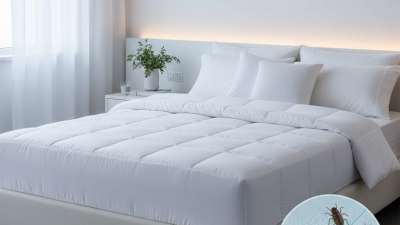
10 Essential Tips for Choosing the Best Mattress Cover for a Great Sleep
When it comes to achieving a great night's sleep, the importance of a quality mattress cover cannot be overstated. A mattress cover not only protects your investment in a good mattress but also plays a crucial role in enhancing your comfort and overall sleep quality. With the vast array of options available on the market, choosing the right mattress cover can feel overwhelming. Whether you’re looking to safeguard against spills, allergens, or simply seeking an extra layer of comfort, understanding the key factors to consider is essential.
In this guide, we will explore the 10 essential tips for selecting the best mattress cover. Our focus will be on how to identify the features that matter most to you, from material and breathability to fit and ease of maintenance. By following these tips, you’ll be well-equipped to make an informed decision that contributes to a restful night's sleep and extends the life of your mattress. Investing in the right mattress cover is an often-overlooked component of a good sleep environment, but with the right knowledge, you can significantly enhance your sleeping experience.
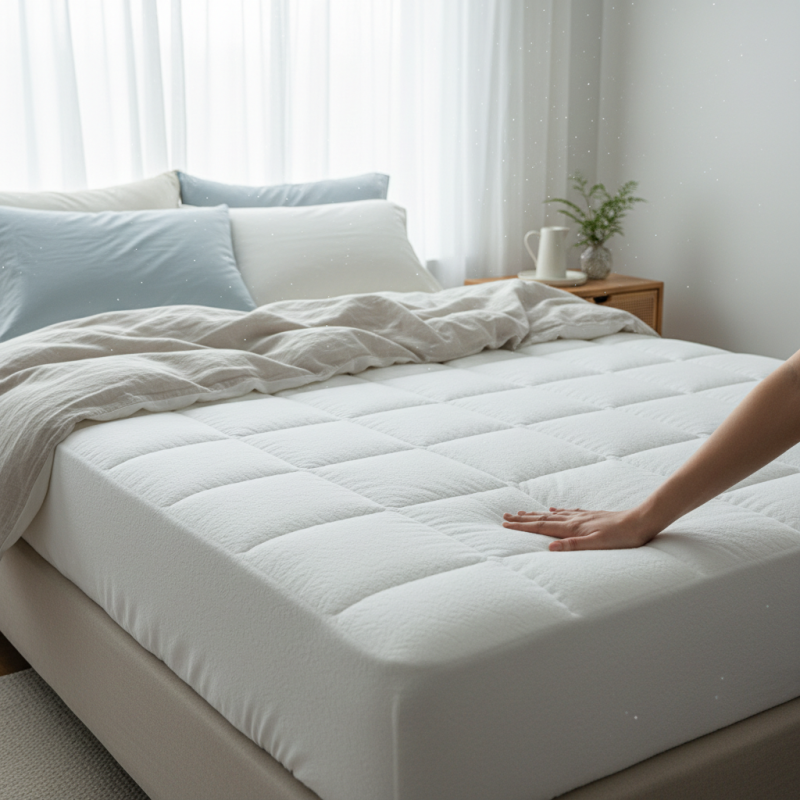
Understanding the Importance of a Mattress Cover for Sleep Quality
When it comes to achieving a restful night’s sleep, many people overlook the significance of a mattress cover. A quality mattress cover not only protects your mattress from spills, dust mites, and allergens but also enhances your overall comfort. The right cover can contribute to temperature regulation, ensuring you stay cool during warm nights and cozy when temperatures drop. This creates an optimal sleep environment, crucial for deep, restorative rest.
When choosing a mattress cover, consider the material. Natural fabrics like cotton or bamboo are breathable and hypoallergenic, which can help maintain a healthy sleep environment. Additionally, look for covers with waterproof capabilities if you have young children or pets, as they provide an extra layer of protection.
Another vital tip is to ensure the fit is snug and secure. A cover that fits well will not bunch up or move around during sleep, which can be disruptive. Elasticized edges can help keep the cover in place, providing a smooth surface for sleeping. Prioritizing these aspects will not only prolong the life of your mattress but significantly enhance your sleep quality.
10 Essential Tips for Choosing the Best Mattress Cover for a Great Sleep
| Tip Number |
Tip |
Importance |
Material Options |
| 1 |
Choose the Right Size |
Prevents slipping and ensures coverage |
Cotton, Polyester |
| 2 |
Consider Waterproof Options |
Protects against spills and stains |
Vinyl, TPU |
| 3 |
Look for Breathable Fabrics |
Enhances air circulation and comfort |
Bamboo, Cotton |
| 4 |
Check for Allergens |
Reduces allergy symptoms |
Hypoallergenic materials |
| 5 |
Opt for Easy Care Covers |
Saves time on maintenance |
Machine washable fabrics |
| 6 |
Assess Stretchability |
Ensures a snug fit |
Spandex blends |
| 7 |
Evaluate Thickness |
Provides adequate cushioning |
Memory foam, Gel-infused |
| 8 |
Choose a Soft Surface |
Enhances comfort while sleeping |
Cotton, Velvet |
| 9 |
Check for Durability |
Ensures long-lasting use |
High-quality polyester, Twill |
| 10 |
Read Customer Reviews |
Insights on performance and satisfaction |
N/A |
Key Features to Look for in a Mattress Cover for Comfort and Protection
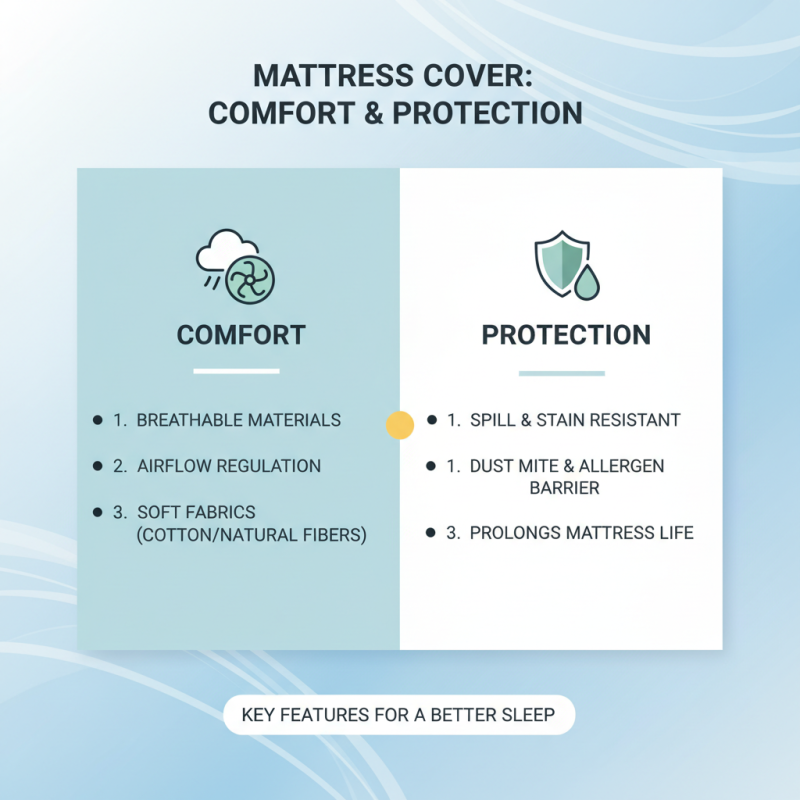
When selecting the best mattress cover for comfort and protection, several key features should be prioritized. First and foremost, look for breathable materials that enhance airflow while regulating body temperature. This ensures that you remain cool and comfortable throughout the night, preventing overheating. Fabrics like cotton or a blend of natural fibers can provide a soft, enjoyable sleeping surface, adding to your overall comfort.
Additionally, consider the level of protection the mattress cover offers against allergens, dust mites, and spills. Many high-quality covers feature waterproof or water-resistant layers that safeguard your mattress from accidental spills, which is particularly important for maintaining hygiene and extending the life of your mattress. Furthermore, a mattress cover with antimicrobial properties can help reduce the buildup of allergens and bacteria, creating a healthier sleep environment. Look for covers with deep pockets or elasticized edges to ensure a snug fit, preventing the cover from shifting during the night. These features together contribute to a peaceful and restorative sleep experience.
Materials and Fabrics: Choosing the Right Type for Your Needs
When selecting a mattress cover, the choice of materials and fabrics is crucial for ensuring a good night's sleep. Various options are available, each offering unique benefits that cater to individual preferences and needs. For instance, cotton is a popular choice due to its breathability and softness, making it ideal for those who tend to sleep hot. Organic cotton frequently attracts buyers looking for eco-friendly options that minimize chemical exposure while still providing comfort and durability.
On the other hand, microfiber and polyester blends are excellent for those seeking a more affordable and easy-to-maintain option. These synthetic materials tend to repel moisture and stains, making them suitable for households with children or pets. For added luxury, consider mattress covers made from bamboo or Tencel, both of which offer exceptional moisture-wicking properties and natural resistance to allergens. By focusing on the fabric's breathability, moisture control, and hypoallergenic qualities, you can find a mattress cover that not only protects your mattress but also enhances your overall sleep experience.
Mattress Cover Material Comparison
This bar chart illustrates the popularity ratings of different mattress cover materials. Ratings are based on consumer preferences and satisfaction levels, helping you choose the best option for a great night’s sleep.
Sizing and Fit: Ensuring Your Mattress Cover Is Compatible with Your Mattress
When selecting a mattress cover, one of the most critical factors to consider is the sizing and fit for your mattress.
To ensure optimal comfort and protection, it is essential to measure your mattress accurately. Standard mattress sizes include
twin, full, queen, and king, but variations such as extra deep or specialty sizes may be available.
Always check the dimensions of your mattress—length, width, and depth—before purchasing. A cover that is too large may shift during the night,
while a cover that is too tight could lead to discomfort or damage.
In addition to the size, consider the design of the mattress cover. Look for covers with elasticized edges or corner straps that can help secure the cover in place,
preventing it from slipping or bunching. Some covers even feature a fitted sheet design, ensuring a snug fit while allowing for easy removal and cleaning.
A well-fitted mattress cover not only enhances your sleep experience by providing a smooth surface but also prolongs the life of your mattress by offering
an added layer of protection against spills, allergens, and wear. Making an informed choice about sizing and fit
will significantly contribute to achieving the restful sleep you desire.
Maintenance Tips: How to Care for Your Mattress Cover for Longevity
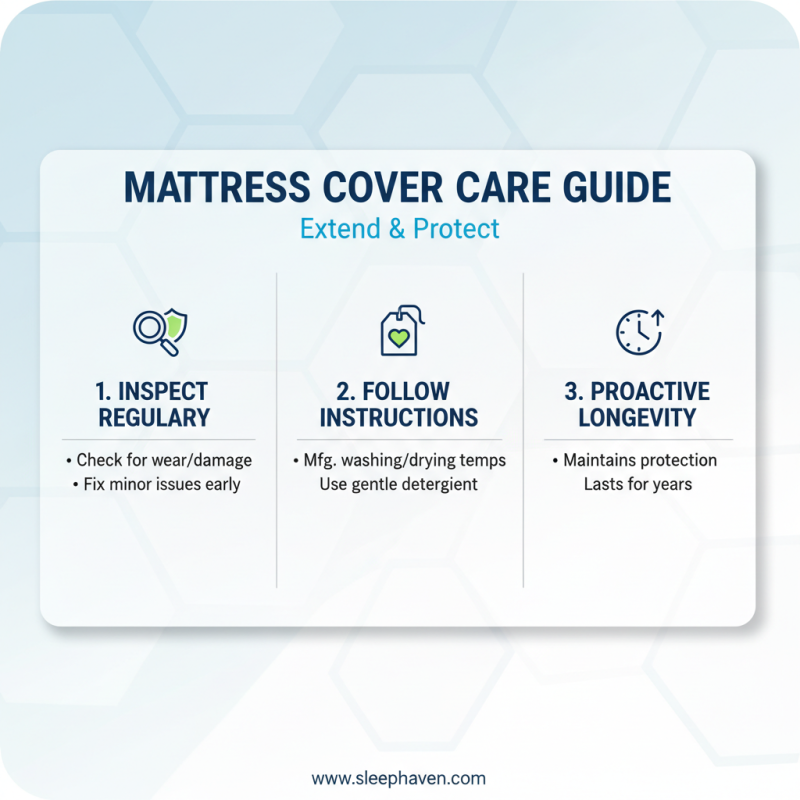
Caring for your mattress cover is essential to ensure it lasts for years while maintaining its protective qualities. Start by regularly inspecting the cover for any signs of wear or damage, such as tears or stains. A proactive approach allows you to address minor issues before they escalate into major problems. Additionally, it is crucial to follow the manufacturer’s care instructions, which often provide guidelines on washing and drying temperatures. Using a gentle detergent will help preserve the fabric integrity and prevent any potential harm from harsh chemicals.
When it comes to maintenance, washing your mattress cover should be part of your regular cleaning routine. Aim to wash it every few months or more frequently if you have allergies or pets. Always check the care label to determine the appropriate washing method, and consider using a mattress protector or waterproof layer underneath to minimize direct contact with spills and sweat. Finally, avoid using bleach or fabric softeners, as these can degrade the material over time. By implementing these care strategies, you’ll enhance the longevity of your mattress cover and improve your overall sleep quality.