
How to Choose the Right Muleton Fabric for Your Needs?
Choosing the right Muleton Fabric starts with the job it must do, not the first sample that feels soft. Will it protect a table, absorb sound, line a garment, or cushion equipment? Those uses call for different weights, finishes, and levels of durability. A thick, brushed surface may feel reassuring in your hand, yet it can trap heat or add unwanted bulk. Small details matter. Check the fabric’s composition, width, weight, colorfastness, and care instructions before comparing prices.
A note on attribution: the following is an editorially created quote from a fictional composite specialist, not a verified statement by a real industry expert. Textile specialist Mara Ellis puts the buying principle this way: “Match the fabric to its daily task; softness alone is not a specification.” Use that as a prompt, not a substitute for testing. Request a sample, rub it between your fingers, and inspect its reverse side under good light. If the fabric will face repeated washing, test a swatch first; the result may surprise you. Even careful selection has limits. Supplier descriptions can leave questions unanswered, and a sample cannot reveal every long-term change. Ask for technical details, compare them with your intended use, and record what matters most before ordering. The best Muleton Fabric is not automatically the thickest or cheapest. It is the one that performs reliably in your setting. A little uncertainty remains. That is worth acknowledging.
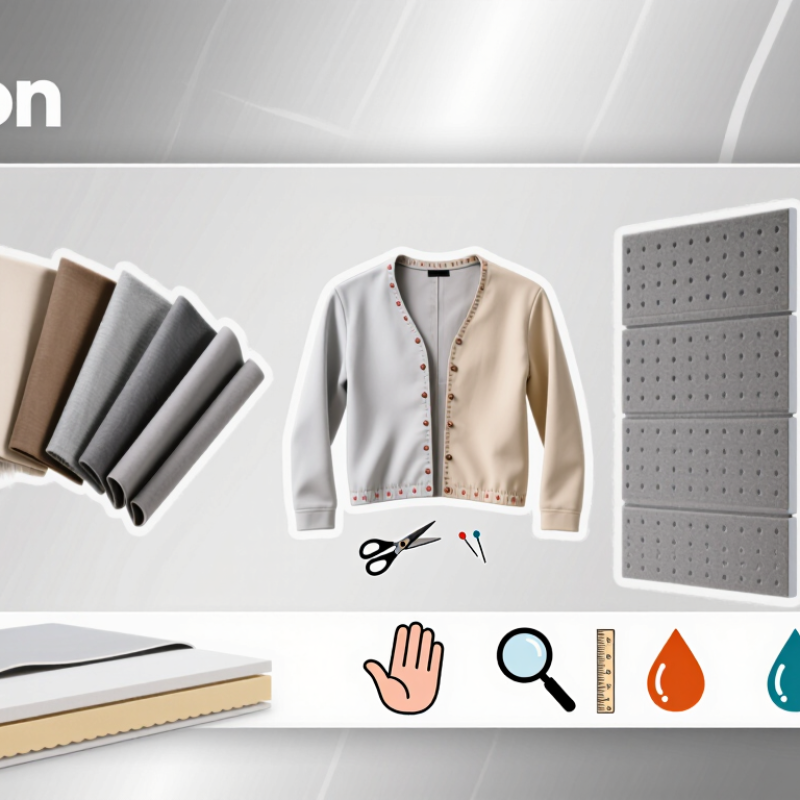
Understanding Muleton Fabric and Its Key Characteristics
Muleton is a soft, napped fabric, often made from cotton or a blend. Its surface feels fuzzy because the fibers are raised during finishing. The exact fiber content and thickness can vary, so the name alone does not tell you how a fabric will perform. Check the product details.
Feel the surface. Is the nap even, or does it show thin patches? A gentle rub can reveal loose fibers, while a small crease helps you judge drape and recovery. Muleton may feel warm and cushioned, but heavier fabric can also hold more heat and feel bulky. That trade-off matters. If it will cover a table, support a lining, or soften an interior surface, test a sample in that setting. Look for color transfer and check how the fabric behaves after light cleaning, following its care instructions. I would not choose by softness alone; a plush swatch can be appealing in a shop, then prove less practical in regular use. Compare the weave, weight, and care needs with the job. A sample tells you more.
How to Choose the Right Muleton Fabric for Your Needs? — Understanding Muleton Fabric and Its Key Characteristics
| Fabric option | Typical characteristics | Advantages | Things to consider | Suitable uses | Care guidance |
|---|---|---|---|---|---|
| Brushed cotton muleton | Cotton fabric with a raised, soft surface created by brushing; thickness and finish vary by construction. | Soft against the skin, breathable, and comfortable for everyday use. | May shrink or wrinkle if washed or dried at high temperatures. Absorbency and durability depend on the weave and finish. | Soft furnishings, protective layers, craft projects, and applications where a natural-fiber feel is preferred. | Follow the care label. Pre-washing can help account for shrinkage before cutting or sewing. |
| Polyester fleece-style muleton | Usually made from polyester with a brushed or napped surface; often lightweight and quick-drying. | Resists wrinkling, dries relatively quickly, and generally retains its shape well. | May feel warmer or less breathable than cotton. Heat can damage some polyester fabrics, and loose fibers may shed depending on quality. | Blankets, linings, costume projects, and applications where easy drying is useful. | Use the temperature and drying instructions on the care label; avoid high heat unless the label permits it. |
| Cotton–polyester blend | Combines cotton and polyester fibers; the hand, breathability, and durability depend on the blend ratio and fabric construction. | Can balance cotton’s softness with polyester’s shape retention and easier-care properties. | Performance is not uniform across all blends. Check the fiber percentages and feel a sample before buying. | General sewing, household covers, and projects that need a compromise between comfort and maintenance. | Follow the care label, as washing and drying recommendations vary with the blend and finish. |
| Quilted or padded muleton | A layered construction with a soft face and an added batting or padding layer; some versions also have a backing fabric. | Adds cushioning and can help protect a surface from light knocks or everyday contact. | Bulkier than a single layer; thickness, stitching, and backing affect flexibility and how it can be fitted. | Table protectors, padded covers, craft projects, and other applications needing a cushioned layer. | Check whether the complete layered fabric is washable. Some padded constructions may require gentle care or spot cleaning. |
| Water-resistant or coated muleton | Has a treated or coated surface, or a bonded backing, intended to slow water penetration. “Water-resistant” does not necessarily mean waterproof. | Can offer added protection from spills and make some surfaces easier to wipe clean. | Coatings may affect breathability, drape, and feel. Repeated washing or abrasion can reduce the finish’s performance. | Protective table layers, craft coverings, and household uses where occasional spills are a concern. | Use the maker’s cleaning instructions. Avoid bleach, ironing, or tumble-drying unless specifically permitted. |
Buying tip: “Muleton” can refer to different brushed, fleece-like, or padded fabrics depending on region and supplier. Check the fiber content, surface finish, thickness, backing, and care instructions, and request a sample when the exact feel or performance matters.
Related Posts
-
Top 5 Tips for Choosing a Waterproof Mattress Cover Manufacturer?
-
How to Choose the Best Waterproof Mattress Cover With Zipper?
-
Best Mattress Cover in China for Comfortable Sleep?
-
2026 Best Pul Fabric Options for Fashion and Home Decor Choices?
-
Best Pillow Protector Fabric Options for Ultimate Comfort and Protection?
-
2026 How to Choose the Best Waterproof Mattress Cover?