
Why Choose Plastic Mattress Covers for Global Sourcing?
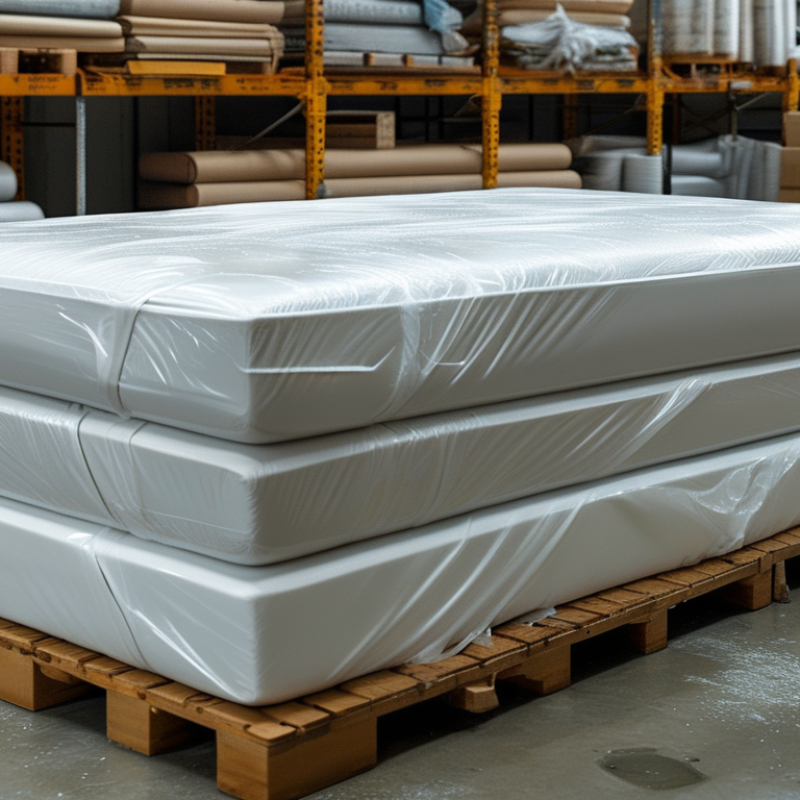
Global mattress manufacturing requires protection that is practical, consistent, and easy to source across borders. A Plastic Mattress Cover can shield finished mattresses from dust, moisture, warehouse handling, and accidental spills during transportation. Its smooth surface supports quick cleaning. Its lightweight structure can also reduce unnecessary packaging weight.
For purchasing teams, material selection should involve more than comparing unit prices. Thickness, dimensions, sealing quality, odor, transparency, and tear resistance directly affect customer experience. A reliable supplier should provide clear specifications, production samples, inspection records, and consistent batch performance. Factory audits and third-party testing can add useful confidence, especially when orders involve several countries. Packaging details matter too. A poorly packed roll may arrive crushed or contaminated.
No supplier is perfect. That deserves attention. A lower-cost cover may create higher expenses through returns, rework, or damaged goods. Some plastics may also perform differently in cold warehouses or humid shipping containers. Buyers should test samples under realistic conditions before approving mass production. This can include compression, folding, moisture exposure, and storage checks.
Responsible sourcing also requires transparent communication about material composition and disposal guidance. Suppliers should explain whether recycled content is available and whether the product supports the buyer’s sustainability goals. Requirements vary by market, so documentation must be reviewed carefully. With practical testing, verified production controls, and honest supplier dialogue, plastic mattress protection becomes a dependable part of global sourcing rather than a minor packaging detail.
Plastic Mattress Covers: Definition and Core Functions
Why Choose Plastic Mattress Covers for Global Sourcing?
Plastic Mattress Covers: Definition and Core Functions
A plastic mattress cover is a protective layer made from flexible polymer film. It fits over a mattress like a fitted sheet or sealed sleeve. Its main role is to limit contact with moisture, dust, stains, and everyday handling. In hospitality, healthcare, rental housing, and retail storage, this barrier can support cleaner mattress management.
Material selection matters. Polyethylene covers are often lightweight, economical, and suitable for temporary protection. Thicker films can resist tearing during loading and repeated movement. Some designs include elastic edges, zippers, or heat-sealed seams. These details affect fit, ventilation, packing efficiency, and inspection time. A cover should not trap excessive heat or moisture beneath the surface.
In global sourcing, buyers usually review film thickness, dimensions, odor, seam strength, and packaging consistency. Clear film makes labels and surface checks easier. However, “waterproof” does not mean perfect protection in every condition. Condensation may still form when temperature changes during transport. That detail is easy to overlook. Suppliers should provide material information, quality records, and sample testing before larger orders. Practical checks include drop tests, seam inspection, and fitting the cover on mattresses with different heights. Not glamorous, but practical. One weak corner can damage an otherwise reliable shipment.
Why Choose Plastic Mattress Covers for Global Sourcing? - Plastic Mattress Covers: Definition and Core Functions
| Data Dimension | Typical Information | Core Function | Global Sourcing Relevance |
|---|---|---|---|
| Product definition | A protective cover made from a plastic film, coated fabric, or laminated plastic material and designed to fit over a mattress. | Creates a physical barrier between the mattress and liquids, dust, allergens, and surface contaminants. | The basic design can be adapted for household, hospitality, healthcare, rental, and institutional applications. |
| Common plastic materials | Polyethylene (PE), polypropylene (PP), polyvinyl chloride (PVC), and thermoplastic polyurethane (TPU) are commonly used material categories. | Material selection affects flexibility, puncture resistance, softness, breathability, and chemical resistance. | Multiple material options allow buyers to balance price, performance, regulatory requirements, and target-market preferences. |
| Water resistance | A continuous, sealed plastic layer can provide a waterproof or water-resistant barrier when seams and closures are properly constructed. | Helps protect the mattress from spills, perspiration, and other liquid exposure. | Waterproof performance should be verified through a defined test method and checked at seams, zippers, elastic edges, and welded areas. |
| Typical film thickness | Lightweight disposable films may be below 50 microns, while reusable covers commonly use thicker films or coated fabrics. The actual range varies by material and application. | Thickness influences tear resistance, durability, weight, noise level, and handling comfort. | A clear thickness specification improves quotation comparison and reduces differences between samples and bulk production. |
| Breathability | Solid plastic films generally have limited moisture-vapor transmission. Microporous films, perforated structures, and TPU-based materials can provide higher breathability. | Controls the balance between liquid protection, heat buildup, and sleeping comfort. | Buyers can select different constructions for disposable protection, everyday home use, or comfort-focused applications. |
| Closure options | Common options include elastic edging, zipper closures, hook-and-loop fasteners, envelope-style flaps, and heat-sealed seams. | Keeps the cover positioned and limits openings through which contaminants or liquids may enter. | Closure selection affects labor, packaging volume, user convenience, repairability, and final landed cost. |
| Size compatibility | Covers are commonly specified by mattress length, width, depth, and corner construction. Regional mattress dimensions should be confirmed before production. | Provides a secure fit and reduces shifting, bunching, or exposed mattress areas. | A size matrix helps support multiple markets while minimizing incorrect orders and unnecessary inventory. |
| Reusability | Reusable covers are typically made with stronger films, laminated textiles, or coated fabrics and should be evaluated for washing and drying conditions. | Allows repeated use when the cover maintains its barrier properties and structural integrity. | Lifecycle cost can be more important than purchase price for hotels, care facilities, rental programs, and commercial buyers. |
| Disposable use | Thin PE or other single-use plastic covers are often used where rapid replacement and basic contamination control are priorities. | Provides short-term protection without laundering. | Lightweight construction can reduce shipping weight, but disposal rules and local waste-management requirements must be reviewed. |
| Hygiene and cleaning | Smooth plastic surfaces are generally easier to wipe or clean than exposed textile surfaces, subject to the material’s chemical and temperature limits. | Supports routine cleaning and helps reduce direct contact between the mattress and surface contaminants. | Cleaning instructions should be documented because unsuitable disinfectants or excessive heat may damage some plastic materials. |
| Quality-control checkpoints | Key checks include dimensions, film thickness, tensile and tear strength, seam integrity, zipper or elastic performance, odor, appearance, and leakage resistance. | Confirms that the finished cover meets the agreed technical specification. | Pre-shipment inspection and approved samples help control quality across international production batches. |
| Packaging efficiency | Plastic covers can be folded or compressed into relatively compact packaging, depending on thickness, closure design, and retail presentation. | Reduces storage space and simplifies handling before use. | Packaging dimensions and carton quantity directly affect container utilization, freight cost, and warehouse planning. |
| Compliance considerations | Requirements vary by destination and end use. Buyers may need documentation for material composition, chemical safety, labeling, packaging, and claims such as recyclability. | Supports safe, legal, and transparent market placement. | Compliance documents should be agreed before mass production because regulations and accepted test methods differ between markets. |
Note: Specifications are typical industry considerations rather than universal product requirements. Final values should be confirmed through an approved sample, technical specification, and destination-market regulations.
Related Posts
-
2026 Top Plastic Mattress Cover Options for Better Sleep Solutions?
-
Top 10 Benefits of Using a Plastic Mattress Cover for Better Sleep Quality
-

How to Choose the Best Plastic Mattress Cover for Your Needs
-
Why Choose a Plastic Mattress Cover for Better Protection and Hygiene?
-
Why You Should Choose a Plastic Mattress Cover for Better Sleep Comfort?
-
How to Choose the Best Vinyl Mattress Cover for Your Needs?