2025 How to Choose the Best Mattress Encasement for Allergy and Bed Bug Protection
When it comes to creating a comfortable and healthy sleeping environment, choosing the right mattress encasement is crucial, particularly for individuals suffering from allergies or those wanting to protect against bed bug infestations. According to a recent study published by the National Sleep Foundation, nearly 50% of adults in the U.S. report allergic reactions, with dust mites in mattresses being a significant contributor. Consequently, the demand for effective mattress encasements has seen a notable rise, reflecting a growing awareness of health and hygiene in the bedroom.
Dr. James Anderson, a leading expert in sleep hygiene and allergies, emphasizes the importance of mattress encasements in his research, stating, "Investing in a quality mattress encasement not only improves sleep quality by reducing allergens but also extends the lifespan of your mattress." As consumers become more informed, the mattress encasement market has expanded, with various options available that promise protection against dust mites, bed bugs, and other allergens. This introductory guide aims to help you navigate the selection process for the best mattress encasement, ensuring you make an informed choice tailored to your specific needs while enhancing your overall sleep experience.

Understanding Mattress Encasements: A Comprehensive Guide
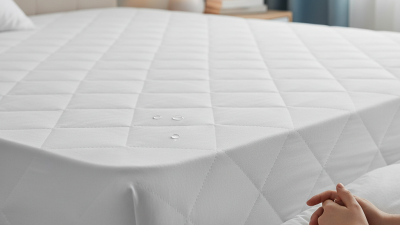
When it comes to protecting your mattress from allergens and bed bugs, understanding mattress encasements is crucial. A mattress encasement is essentially a protective cover that fits over your mattress. Unlike a mattress protector, encasements fully encase the mattress, providing an airtight and waterproof shield. This comprehensive coverage helps to prevent the infiltration of dust mites, bed bugs, and other allergens, creating a cleaner and healthier sleeping environment.
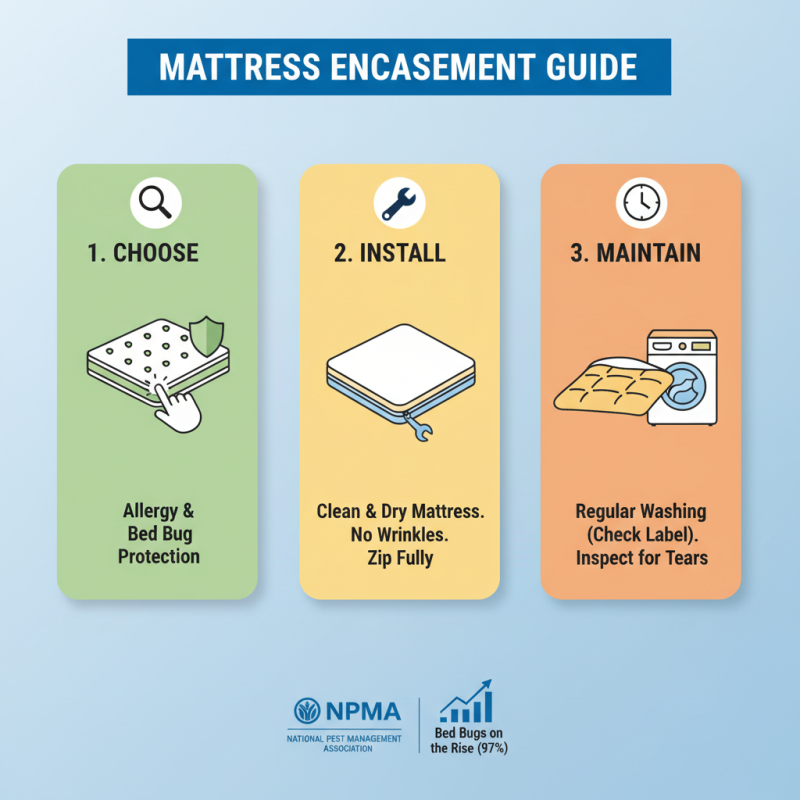
Selecting the right mattress encasement involves several factors. First, consider the material. High-quality fabrics that are breathable and hypoallergenic will minimize discomfort while offering protection. Look for encasements that are certified for allergen resistance to ensure they effectively block out microscopic irritants. Additionally, pay attention to the encasement's zipper and seams; a secure zipper that seals completely is essential for preventing pests from entering the encasement. Understanding these elements will empower you to make an informed choice that enhances your sleep quality while keeping allergens and unwanted pests at bay.
Comparison of Mattress Encasement Effectiveness for Allergies and Bed Bug Protection
Key Features to Look for in Allergy Protection Mattress Encasements
When selecting a mattress encasement for allergy protection, one of the key features to consider is the material used. Opting for encasements made from high-quality, breathable fabrics can significantly reduce the buildup of allergens, such as dust mites and pet dander. Waterproof materials prevent spills and perspiration from seeping into the mattress, thereby creating an unwelcoming environment for allergens. Additionally, look for encasements that have been rigorously tested for their allergen-blocking capabilities, ensuring that they provide a reliable barrier without compromising comfort.
Another important feature to evaluate is the encasement's zipper quality. A securely fitted zipper is crucial in maintaining a complete seal around the mattress. This prevents any potential entry points for allergens or pests, such as bed bugs. Furthermore, encasements should cover the entire mattress, including the top, bottom, and sides, to ensure maximum protection. Some encasements are designed specifically to be bite-proof, adding an extra layer of defense against bed bugs. Strong stitching and durable materials will enhance the longevity of the encasement, making it a cost-effective solution for long-term allergy management and pest prevention.
2025 How to Choose the Best Mattress Encasement for Allergy and Bed Bug Protection
| Feature |
Description |
Importance |
| Material |
Choose breathable and hypoallergenic materials such as cotton or polyester. |
Essential for reducing allergens and enhancing comfort. |
| Waterproofing |
Encasements should be waterproof to protect against spills and stains. |
Prevents mold and bacteria growth. |
| Size Compatibility |
Ensure the encasement fits your mattress size (twin, queen, king, etc.). |
Important for effective protection. |
| Zipper Quality |
Look for encasements with high-quality, sealed zippers to prevent entry. |
Crucial for bed bug prevention. |
| Certification |
Check for certifications like OEKO-TEX or GREENGUARD. |
Verifies low chemical emissions. |
| Ease of Cleaning |
Encasements should be machine washable for easy maintenance. |
Ensures hygienic sleeping conditions. |
Types of Materials Used in Mattress Encasements for Bed Bug Defense
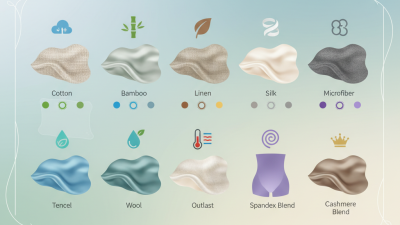
When it comes to safeguarding your sleep environment from allergies and bed bugs, choosing the right mattress encasement is crucial. The material used in these encasements plays a significant role in their effectiveness. Common materials include polyester, vinyl, and cotton blends, each offering distinct benefits and levels of protection. For example, polyester encasements are known for their durability and ease of cleaning, while vinyl options provide a moisture barrier that can help prevent mold and dust mite accumulation.
A study conducted by the Journal of Medical Entomology found that encasements made from tightly woven fabrics can significantly reduce bed bug populations. In fact, the research indicated that high-thread-count cotton or polyester fabrics could prevent bed bugs from penetrating the encasement, thus offering an additional layer of defense. This is particularly important as the pests can survive for extended periods without feeding and are notoriously difficult to eradicate once established. Furthermore, materials that are hypoallergenic can help in minimizing allergic reactions, enhancing overall sleep quality by creating a more conducive environment for users with sensitivities.
In addition to material type, the design of the mattress encasement is also essential. Features such as zipper closures with sealed seams can enhance protection against both allergens and insects, ensuring that neither can infiltrate your sleeping area. According to the American Academy of Allergy, Asthma & Immunology, properly designed encasements can reduce exposure to allergens by up to 95%, making them a worthwhile investment for maintaining a healthy sleeping environment.
Evaluating Effectiveness: Research on Mattresses against Allergens and Bugs
When considering mattress encasements for allergy and bed bug protection, evaluating their effectiveness against allergens and pests is crucial. Research indicates that the right encasement can significantly reduce exposure to dust mites, pet dander, and other allergens. A high-quality mattress encasement creates a barrier that effectively blocks these particles from penetrating the mattress, thereby improving the overall sleep environment. Studies have shown that encasements made from tightly woven fabrics can reduce allergen levels substantially, leading to fewer allergy symptoms and enhanced sleep quality for sensitive individuals.
In addition to allergy protection, mattress encasements play a vital role in bed bug prevention. Research has highlighted the importance of choosing encasements designed specifically to trap bed bugs and prevent their spread. These encasements are typically constructed with materials that are both durable and impermeable to bed bugs, making it more difficult for them to infest the mattress. Studies suggest that encasements can help contain existing infestations while providing a protective barrier against new ones. Success in preventing bed bug issues is largely dependent on the quality of the encasement and its effectiveness in sealing parameters, demonstrating that informed choices can lead to better health outcomes in relation to both allergies and pest control.